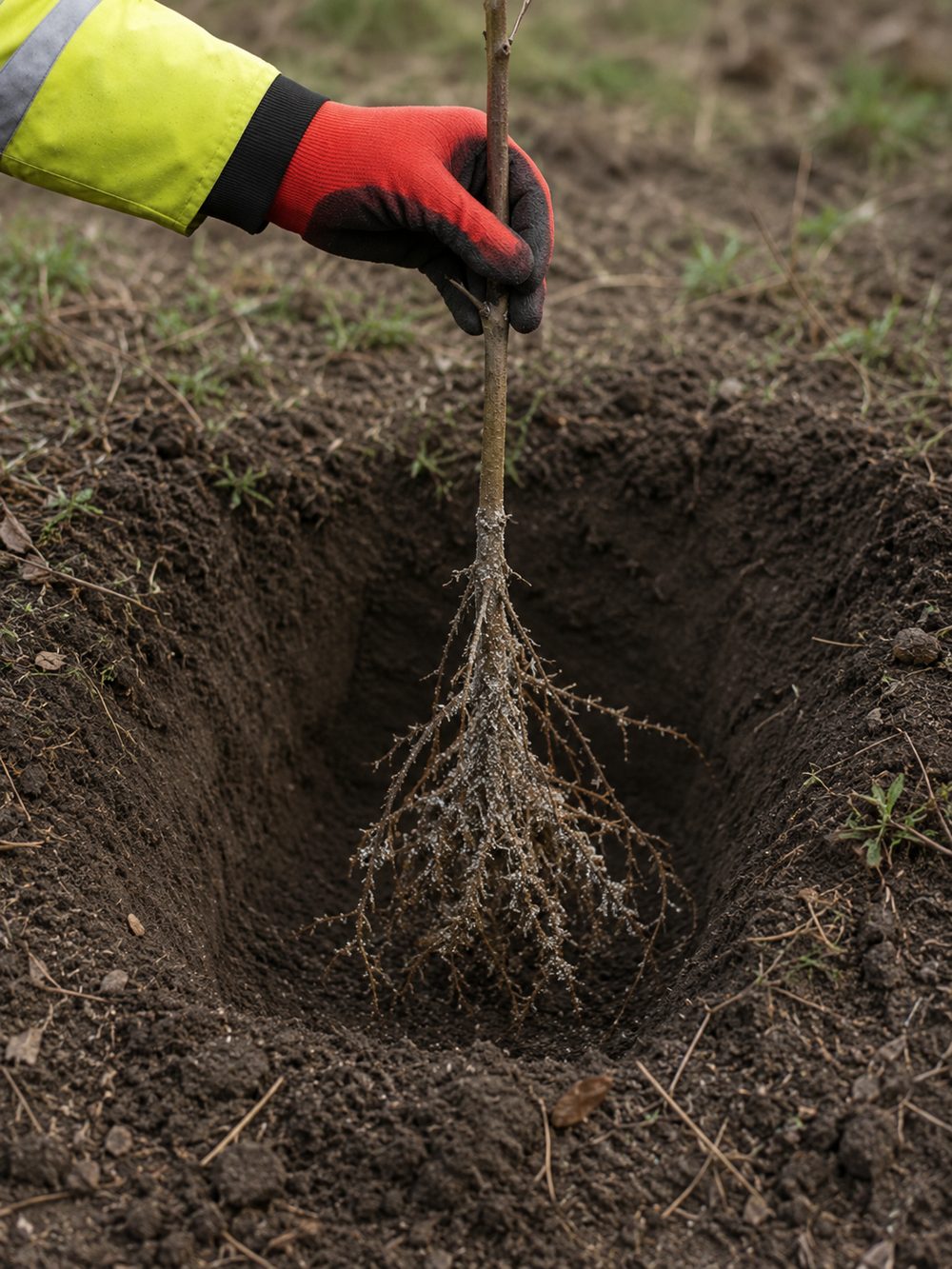
01Bare-root & whips
Mix granules with the hydrogel and water; dip the roots for an even coating before planting.
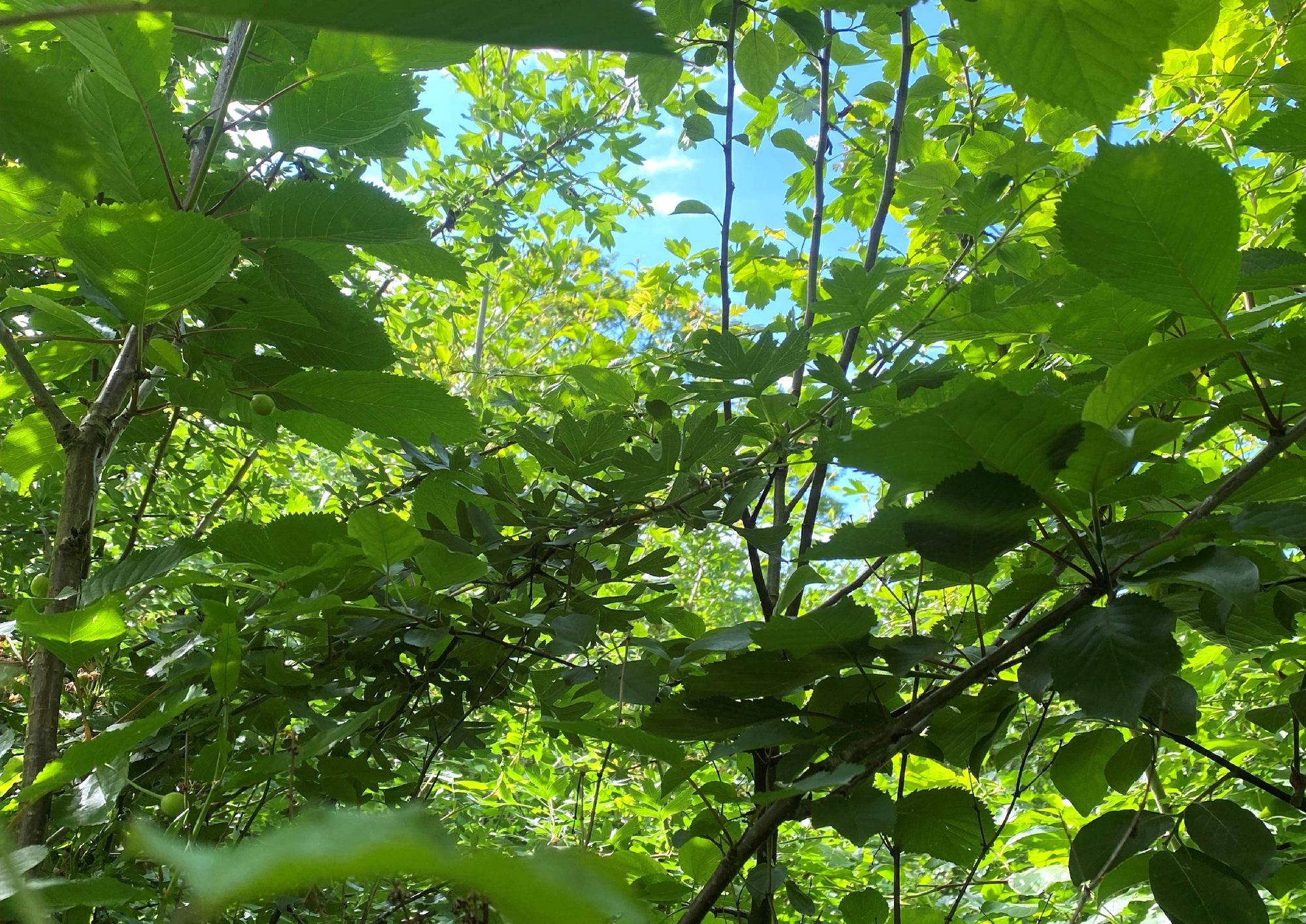
The underground story of
A forest begins below the ground
For councils & landscape contractors
The dense, fast-growing tiny forest everyone can see is only half the story. The half that decides whether it survives is beneath your feet, in a living network of roots and fungi. This page gives you the tender wording to specify it and the calculator to order the right amount.
A mycorrhizal perspective
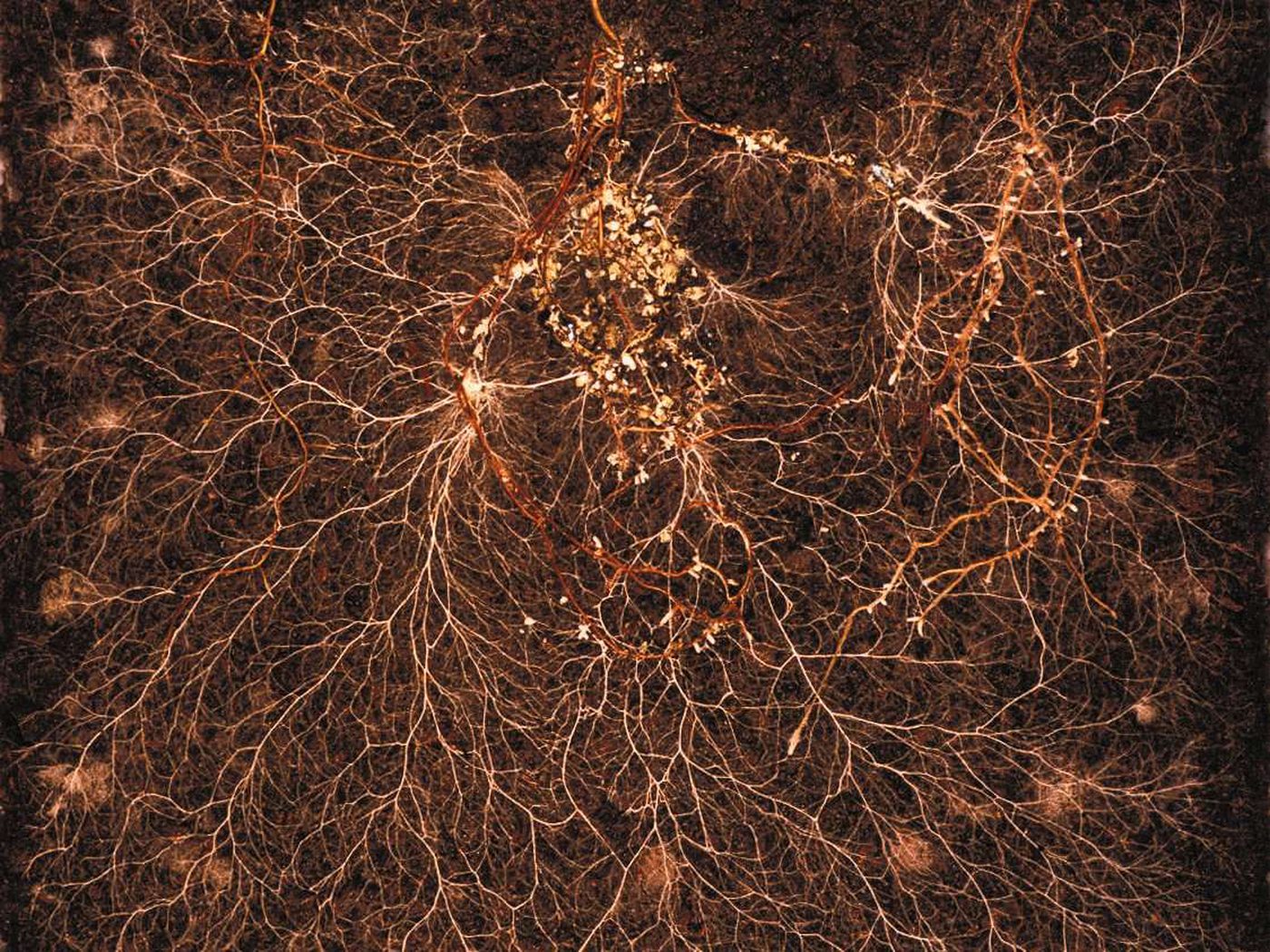
Miyawaki's success isn't planting density alone. It's rebuilding a living, fungal-dominant soil. Mycorrhizal fungi attach to tree roots and extend them many times over, threading through the soil to gather water and nutrients and trade them back to the plant. Crucially, they also link neighbouring trees into a shared network: the "wood wide web."
A network for the whole life of the forest. New seedlings don't start alone: they plug into an established fungal network and are nursed in, tapping water and nutrients far beyond their own roots. As the forest grows, the network keeps redistributing resources, moving sugars, water and nutrients from stronger trees to shaded or stressed ones. At maturity that same web buffers drought, shares defence signals and holds the soil's carbon and structure together.
The workforce is the fungi. They extend each tree and shrub root many times over, drawing in water, phosphorus and trace nutrients, easing transplant shock and improving drought survival, then link the whole planting into one shared network that keeps feeding it for decades.
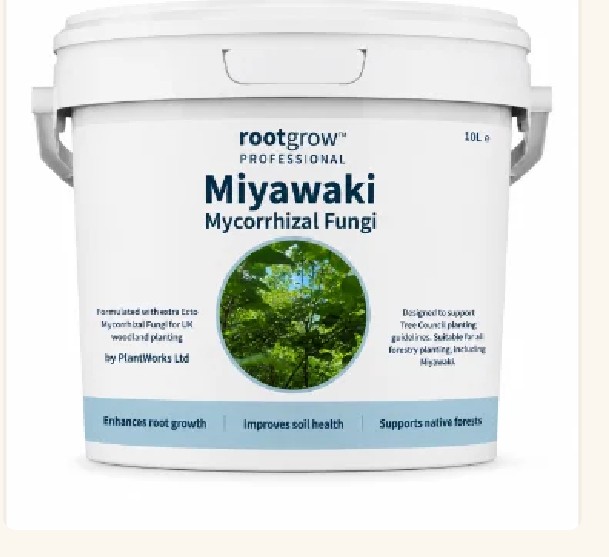
Ready to use
Mycorrhizal species naturally found in UK woodland soils, blended for forest establishment and soil biology. Supplied in 10 litre tubs, each with dipping gel, so it can be used dry or in suspension.
Already in the recipe
The Tree Council Miyawaki guidelines already specify mycorrhizal fungi in soil preparation.
A native Miyawaki palette mixes trees that need arbuscular fungi with trees that need ectomycorrhizal fungi. An inoculant that only carries one type leaves the other half of your planting uninoculated. The section below shows which is which.
Matching the inoculant to the palette
Mycorrhizal inoculants are host-specific by type. Arbuscular (AM) and ectomycorrhizal (ECM) fungi are two different symbioses: an AM-only product will not colonise an ECM tree, and vice versa. A Miyawaki plot is a deliberate mix of both, so the specification must cover both halves.
Across the native species palette in the Tree Council guidelines, the majority form arbuscular associations, a smaller group of key canopy trees are strictly ectomycorrhizal, and a sizeable middle group form both. An AM-only specification would leave oak, beech, birch, Scots pine, hornbeam, hazel and lime uninoculated. The Miyawaki Mycorrhizal Fungi by PlantWorks has it covered.
Fine endophytic fungi entering root cells. Most broadleaf trees, sub-trees and shrubs.
Fungi sheathing the root tip. The structural canopy species that define the forest.
These eleven carry the canopy. Omit ECM from the spec and they establish without their primary fungal partner.
Dual-type hosts. Offer both forms for the best establishment.
One shrub in the palette, shrubby sea-blite, is non-mycorrhizal and needs no inoculant.
PlantWorks produces both types in the UK. Inoculant must contact the roots at planting; AM and ECM can be co-applied in the same operation.
Putting the science in the ground
The golden rule is contact with the feeder roots at the moment of planting. Supplied in 10 litre tubs, each with dipping gel. Use dry or in suspension.
Mix granules with the hydrogel and water; dip the roots for an even coating before planting.
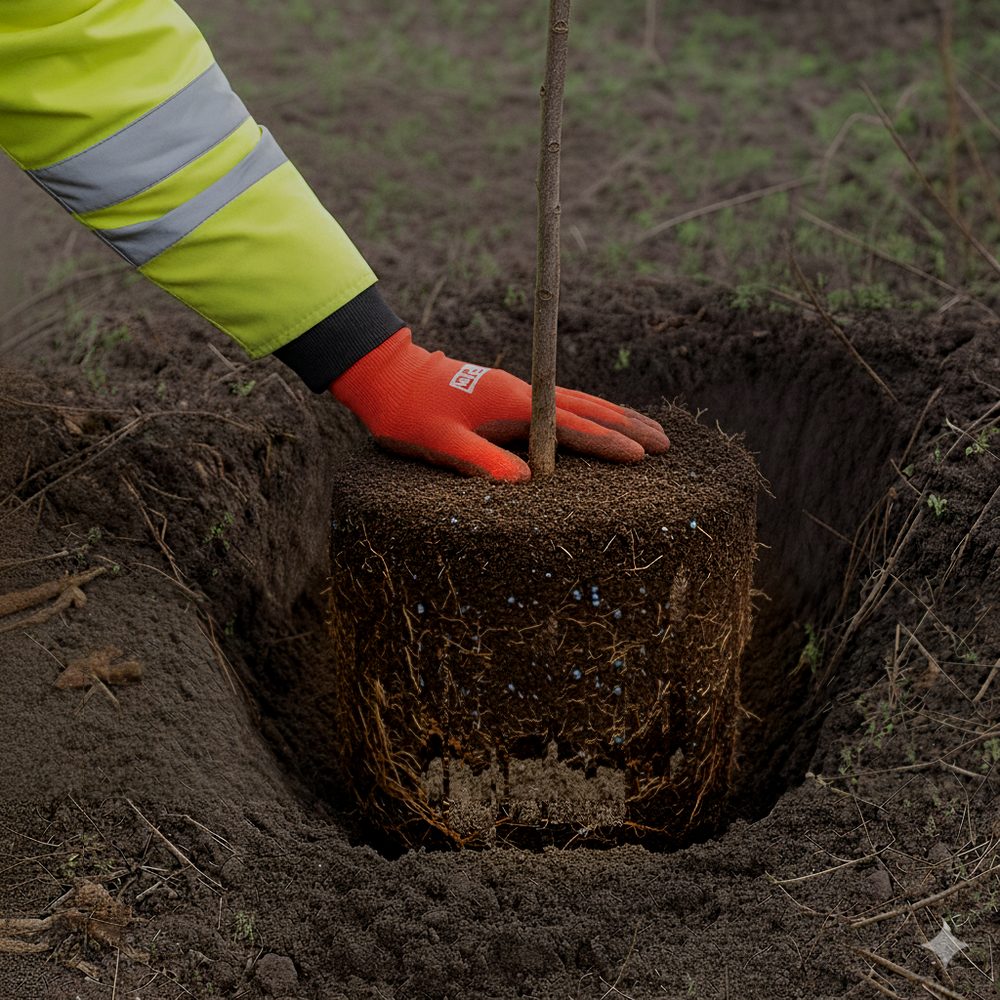
Sprinkle in the pit, backfill halfway, add more around the exposed roots, then finish.
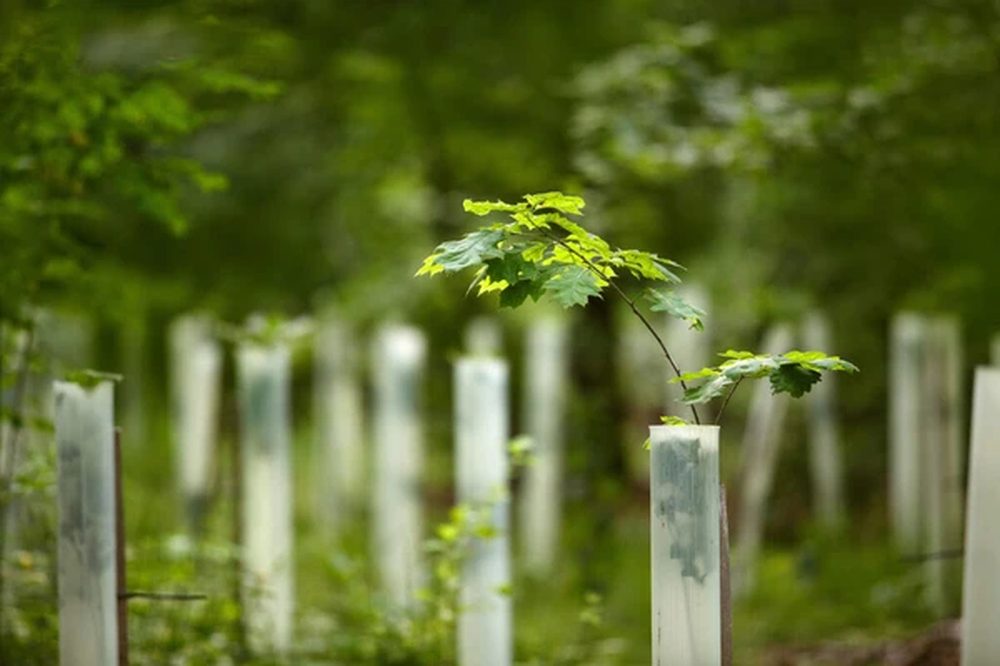
Coat as much of the root plug as possible with granules as you backfill, then firm and water.
Further information
Step 1 of 5
First apply the mycorrhizal granules either by root dipping or by placing them directly into the planting hole, ensuring good contact with the tree roots.
Once the tree is positioned, partially backfill the planting hole.
Dilute the 50 mL pouch of Ecto Mycorrhiza into 10 L of clean water and mix thoroughly to create a stock solution. Evenly distribute this stock solution between the watering cans being used, then top each watering can up with clean water.
Water the solution directly into the partially backfilled planting hole and root zone, ensuring the solution reaches and wets the tree roots and surrounding soil.
Complete the backfilling and firm the soil as required.
Ask for UK-produced mycorrhizal fungi with at least 2 ecto + 6 arbuscular species, an MPN (propagule count) of ≥200,000 per litre (500,000+ is excellent), MPN certification with delivery, and technical support for the life of the project. The ready-to-paste wording is below.
Mycorrhizal Fungi Inoculum Specification
The Contractor shall supply and apply mycorrhizal fungi inoculum that meets the following requirements:
Dilute the 50 mL pouch of Ecto Mycorrhiza into 10 L of clean water and mix thoroughly to create a stock solution. Evenly distribute this stock solution between the watering cans being used, then top each watering can up with clean water.
Water the solution directly into the partially backfilled planting hole and root zone, ensuring the solution reaches and wets the tree roots and surrounding soil.
Complete the backfilling and firm the soil as required.
How much do you need?
Enter the number of plants in your design by stock type and size. Rates are the rootgrow Professional recommended inoculation volumes per plant. The total is rounded up to whole 10 litre tubs and priced at £250.00 + VAT per tub, with 10% off orders over £1,000.
The quiet partner beneath Britain's landscapes
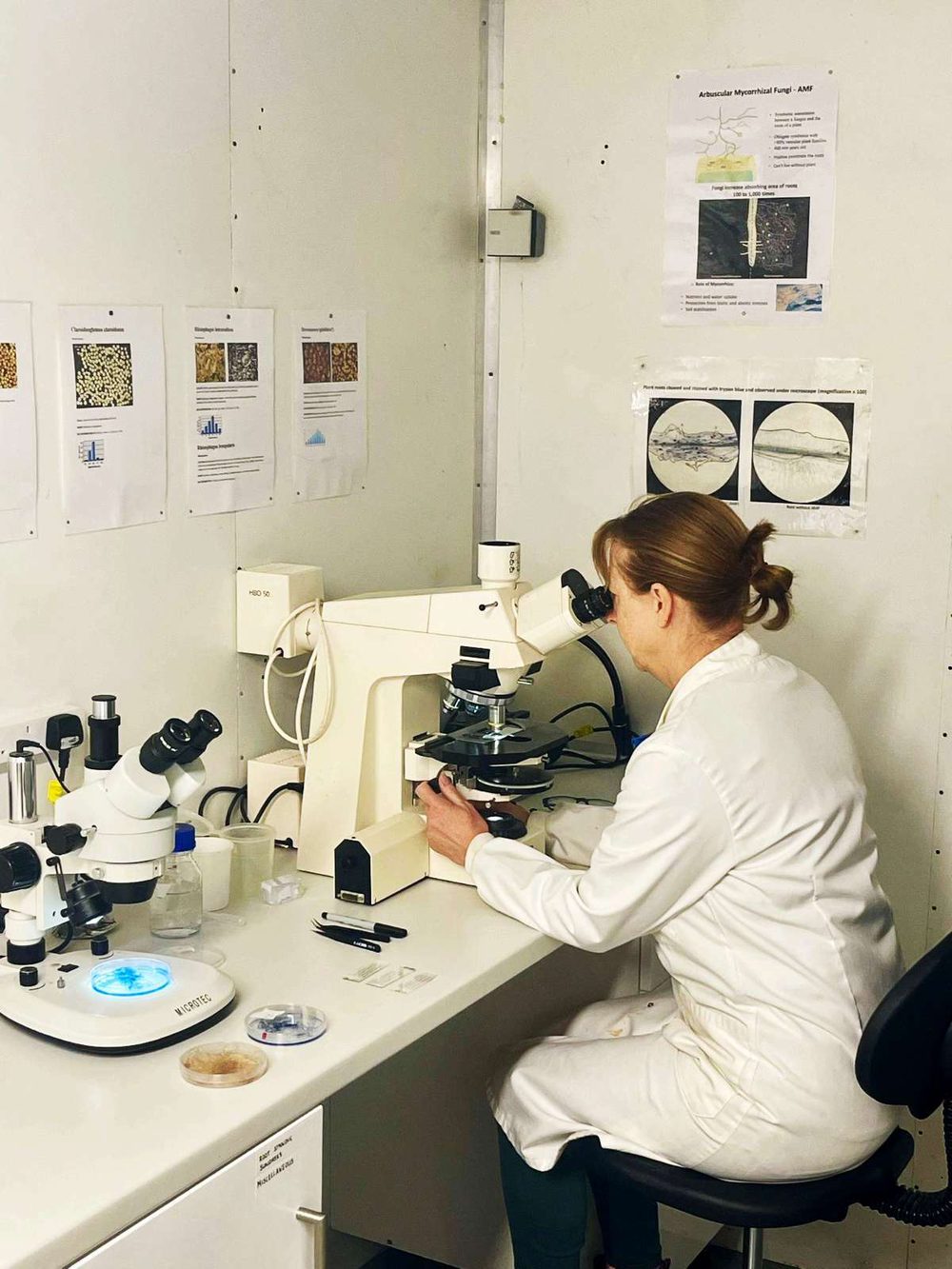
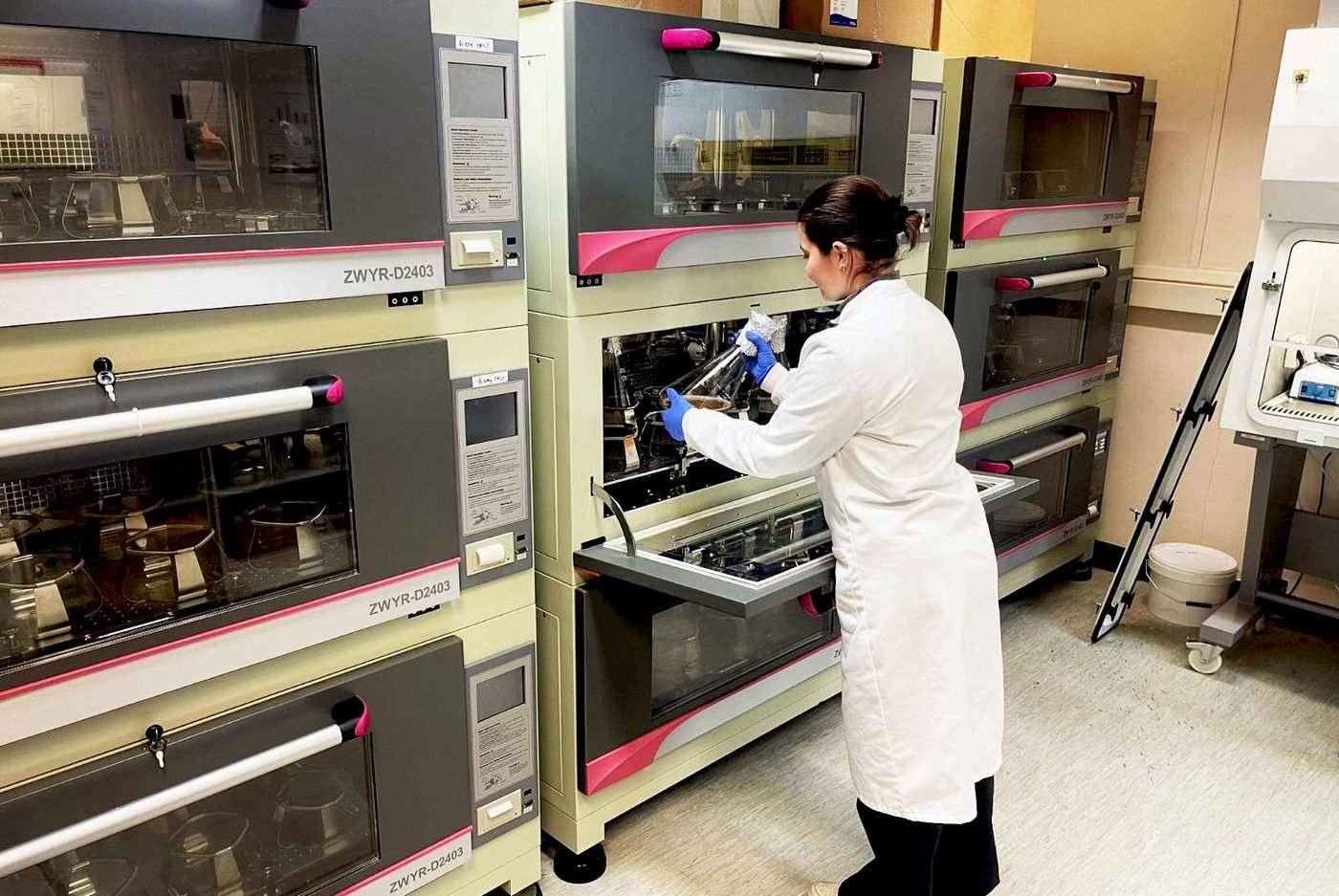
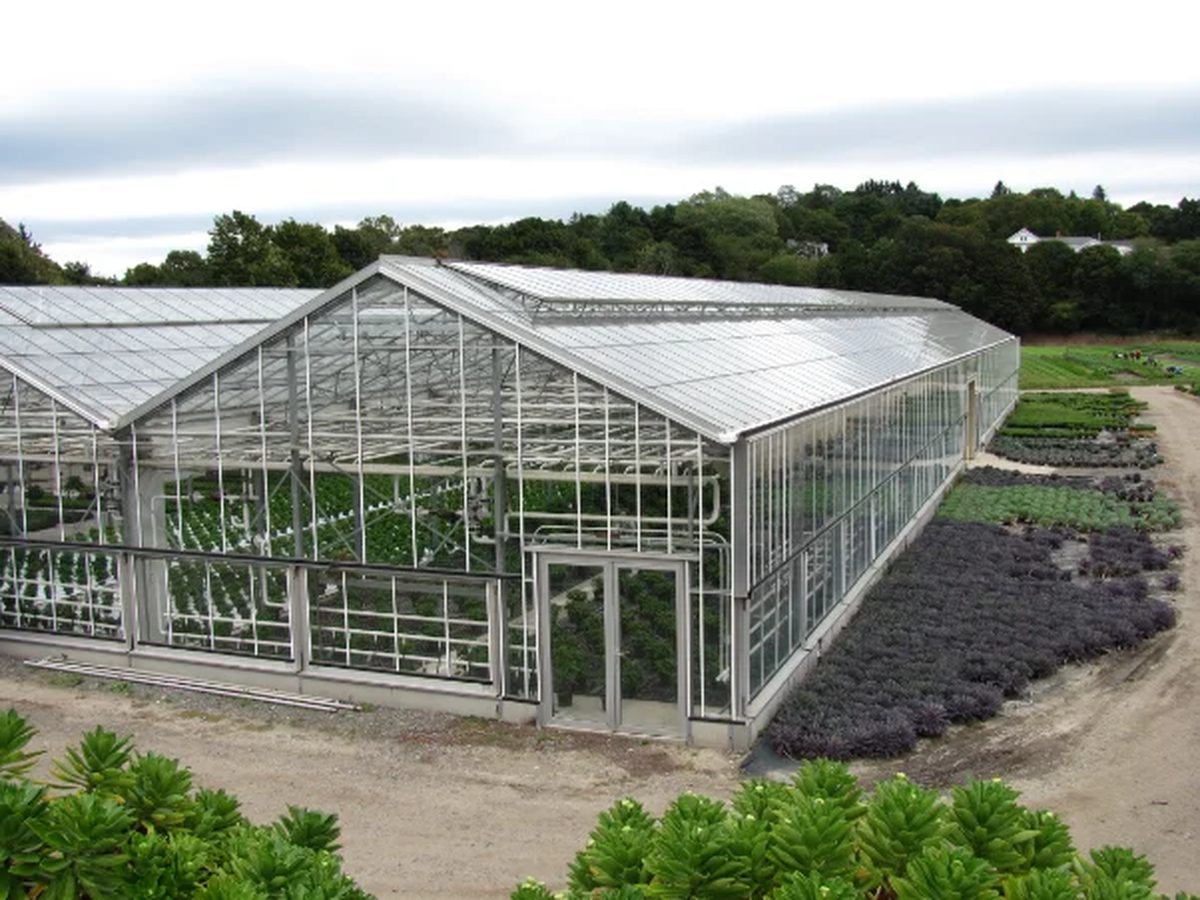
Since 2000, when we were founded as a spin-out from the International Institute of Biotechnology, PlantWorks has been Britain's dedicated producer of beneficial soil microbes, from our laboratories and glasshouses at Kent Science Park.
We are the UK producer of both kinds of mycorrhizal fungi: arbuscular (endo-) fungi grown in vivo, and ectomycorrhizal fungi cultured in vitro, alongside PGPR beneficial bacteria. Every product runs lab, glasshouse, then multi-year UK field trials.
Manufacturer of rootgrow™, the only planting treatment endorsed by the RHS, trusted for over 20 years from landmark infrastructure schemes to gardens.
"We are more than a supplier. For over twenty years we've been the quiet partner beneath Britain's landscapes, and we're here to help you plant with confidence."
Both AM and ECM fungi naturally found in UK soils.
Lab, then glasshouse, then multi-year UK trials.
Cultivation to QC under one roof in Kent.
Two ways to start
01 · Specify
Ready-to-paste wording: species counts, MPN thresholds, certification and application method, for both AM and ECM.
02 · Order
Supplied in 10 litre tubs with dipping gel. Order by the number of tubs your plot requires, with technical support included.
Email your order enquiry